Demand Forecasting Software for Cannabis Dispensaries
Contents
- What Demand Forecasting Software Does
- Why Cannabis Demand Is Harder
- Forecasting-Adjacent Tools: What to Look For
- How Real-Time Inventory Improves Stocking
- What Seed-to-Sale Integration Means for Planning
- How Delivery Visibility Feeds Demand Signals
- Basic Steps to Start Planning
- Questions to Ask Vendors
- Start With Accurate, Compliant Inventory
What Demand Forecasting Software Does for a Cannabis Dispensary or Delivery Operator
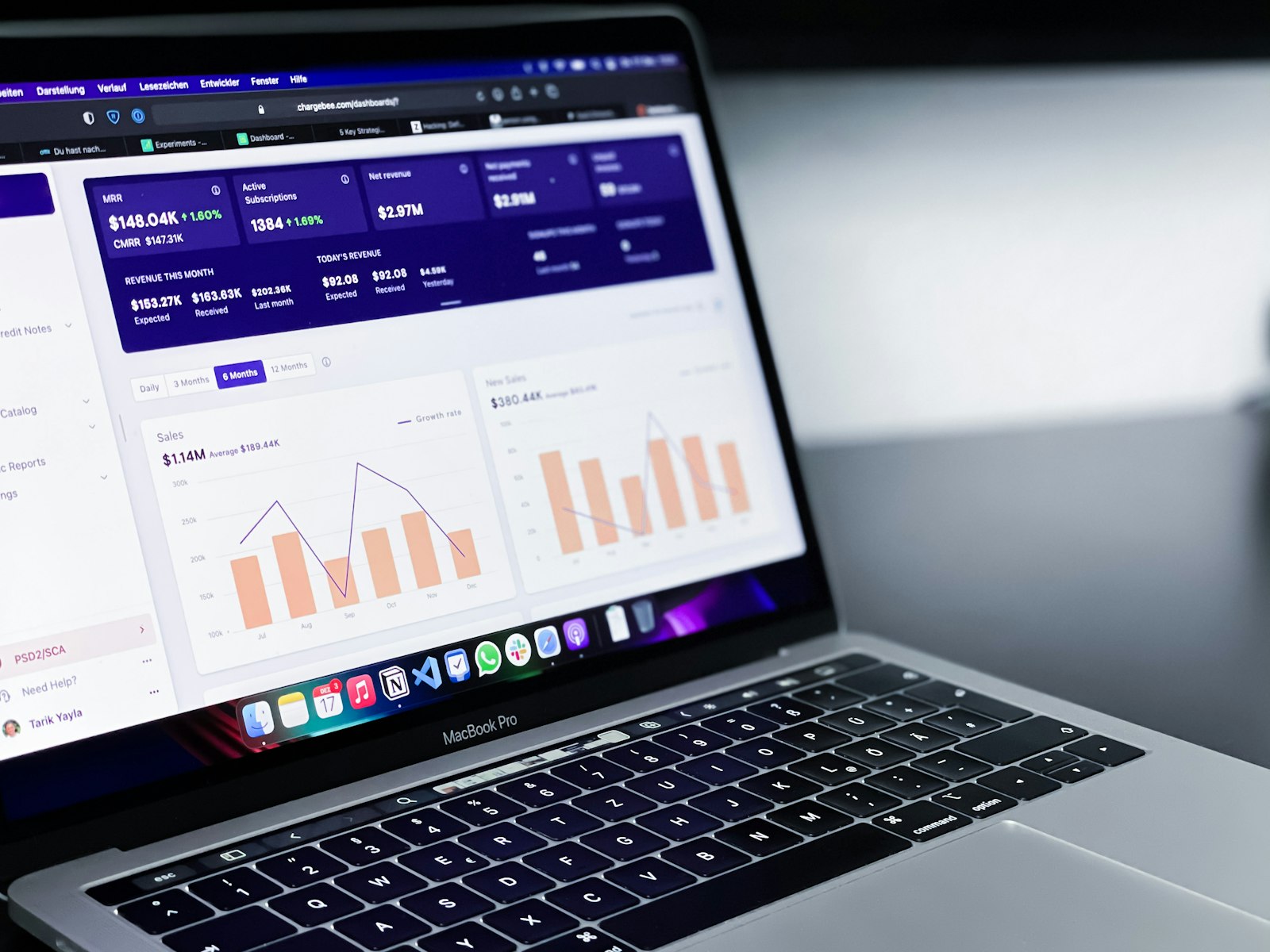
Demand forecasting software predicts future product demand from past sales and inventory data. That prediction helps a business plan stock and avoid running out or overordering.
A cannabis point-of-sale system can offer compliant checkout, real-time inventory and METRC integration. For delivery operators, cannabis delivery software can add AI route optimization, real-time dispatch and delivery zones. Compliance features like METRC package intake, purchase limit enforcement and inventory adjustments synced to METRC keep the state's records current.
This holds true for a single dispensary or a multi-location delivery operation, since the same state rules apply either way. A demand planning decision works best when it starts from accurate, real-time inventory and delivery data, not a dedicated forecasting algorithm. Cannabis demand is harder to predict than demand in general retail for three reasons. Those reasons are state purchase limits, perishable METRC-tracked batches, and the split between in-store and delivery orders.
Why Predicting Cannabis Retail Demand Is Harder Than General Retail
General demand forecasting software assumes a business can simply order more of a top seller when demand rises. Cannabis retail adds three constraints general content skips: purchase limits, METRC-tracked batches, and the in-store versus delivery demand split.
California's daily purchase limit rule caps how much non-concentrated cannabis, concentrate or immature plants one adult-use customer can buy in a day. It also bars combining the adult-use and medicinal purchase limits. This is one state's rule, so check your own state's current purchase limit before you plan around it.
Seed-to-sale tracking records cannabis inventory from the seed or seedling stage through to the final sale to a consumer. That means a demand signal is tied to a tracked batch, not just a line on a sales report.

New York requires every licensed cannabis business to run an electronic, real-time inventory tracking system that captures all cannabis inventory. Oklahoma requires every licensed cannabis business in its Metrc-based program to be fully Metrc-compliant. Confirm your own state's current tracking and purchase-limit rules with your regulator before you act on them.
A delivery operator's zone-level order pattern differs from in-store walk-in traffic, so a single store-level forecast misses part of the picture. The example below shows how that gap shows up in practice.
A Hypothetical Stocking Mismatch
Example scenario: A dispensary orders next month's stock using only last month's total sales. It does not separate delivery-zone orders from in-store purchases. One delivery zone sees demand climb while in-store traffic stays flat. That zone runs short of product, while another store location sits overstocked.
If the dispensary had tracked delivery-zone orders separately from in-store sales, it would have caught the rising zone early enough to shift stock there. It could then have trimmed the overordered location's order before the shortfall hit.
What to Look for in a Forecasting-Adjacent Tool for a Licensed Dispensary
A tool built for general retail will not fit cannabis demand planning out of the box. Before you buy, check it against three cannabis-specific requirements, then ask how it handles the limits of a spreadsheet.
Check a forecasting-adjacent tool against these three requirements before you buy:
| What to check | Why it matters |
|---|---|
| Compliance sync | Your inventory count should match what you report to the state's seed-to-sale tracking system, not live in a separate spreadsheet. |
| Real-time inventory | Stock levels should update at the point of sale, not on a nightly batch, so a stocking decision uses the current count. |
| Delivery visibility | If you deliver, the tool should show demand and inventory needs by delivery zone, not only as one store-wide total. |
Why manual spreadsheets fail for cannabis: Many dispensaries start demand planning in a spreadsheet, and it can hold a simple sales total without trouble. Once you add purchase limits and METRC-tracked batches, the spreadsheet needs manual re-entry to stay current. It has no automatic link to the systems tracking those records.
That gap is where a dedicated tool earns its cost: it keeps the count current without someone copying numbers between two systems. For comparison, see how one dispensary point of sale platform combines compliant checkout with real-time inventory, kiosk mode, customer profiles and METRC integration.
How Real-Time, METRC-Synced Inventory Supports Better Stocking Decisions
A dispensary point-of-sale platform built for this category can offer compliant checkout, real-time inventory, kiosk mode, customer profiles and METRC integration. Real-time inventory means the stock count updates with each sale at the register, instead of overnight.
A dispensary's METRC compliance features can cover METRC package intake, purchase limit enforcement, METRC sales delivery manifests and inventory adjustments synced to METRC. Because those adjustments sync to METRC, the number a manager sees matches what the state has on record. That record shows what is available and compliant to sell.
A multi-location retailer should confirm inventory syncs across every store. That way, a stocking decision at one site reflects what's on hand at another, not just that site's own total.

For a plain-language look at automated seed-to-sale tracking, see this automated cannabis tracking software overview.
What Metrc, BioTrack and Leaf Data Integration Means for Demand Planning
States use seed-to-sale tracking systems to monitor inventory, prevent diversion, and make sure licensees follow the rules. ("Diversion" means cannabis leaving the legal, tracked supply chain.) That tracking already holds a running count of every batch, the same count a stocking decision should pull from instead of a separate internal tally. Each state picks its own platform, so which system applies depends on where a dispensary is licensed.
This platform's FAQ states it integrates with Metrc, BioTrack, Leaf Data and other state-mandated seed-to-sale tracking systems. For a multi-location retailer, that means one point-of-sale system can serve locations in different states, even if each state runs a different tracking platform.
When the point-of-sale system is the one reporting to the state, a stocking decision draws on a single inventory count. There is no second record to reconcile by hand. The integration does not predict demand: it keeps the number a manager checks before reordering lined up with the number the state system already has on file.
How Delivery Visibility Feeds Demand Signals for Delivery Operators
Cannabis delivery software can give delivery operators AI route optimization, real-time dispatch, a driver fleet app, delivery zones and inventory kits in one system. Delivery zones split a service area into smaller segments. A manager can then see where orders cluster, instead of reading one store-wide total.
A manager can treat a zone-by-zone order pattern as a different demand signal than walk-in traffic at a single storefront. They can see which zones are ordering heavily and stock toward that pattern, rather than guessing from overall sales alone.
Inventory kits let an operator bundle products into pre-set groups built for delivery routes. A manager can match a kit to what a zone's recent orders call for. That lets the stocking decision happen at the kit level, not one product at a time.
AI route optimization and real-time dispatch make an existing batch of orders efficient to deliver, planning routes and managing driver handoffs. The demand signal comes from order patterns across zones and kits, not from the routing decision. The two jobs stay separate.
Basic Steps to Start Using These Features for Demand Planning
Once a dispensary's point-of-sale and delivery systems are in place, putting them to work for demand planning follows a few basic steps.
- Set the point-of-sale system to update stock in real time at checkout, so the count reflects every sale as it happens.
- Connect that inventory to the state's required seed-to-sale system, whether that is Metrc, BioTrack or Leaf Data, so the same number reports without manual re-entry.
- For delivery, break results down by delivery zone to spot where orders are climbing or falling.
- Use inventory kits to match stock to what each zone's recent orders call for.
- Check the zone and kit-level numbers on a regular schedule and adjust the next order before a shortage or overstock happens.
Questions to Ask a Vendor Before You Buy
Before you sign a contract for a forecasting-adjacent tool, ask the vendor these five questions. The answers show whether the tool fits a licensed dispensary's compliance needs, not just a general retail workflow.
- Does inventory sync automatically with your state's seed-to-sale system? Ask whether the count in the tool matches what reports to METRC, BioTrack or Leaf Data on its own, or whether staff must re-enter the numbers by hand.
- Does inventory update in real time at the point of sale? Ask whether a sale changes the stock count right away or only after a scheduled batch update later in the day.
- Can you see demand by delivery zone, not just by store total? If you run delivery, ask whether the tool breaks orders down by zone, since one store-level number can hide where demand actually concentrates.
- What does onboarding involve, and how long until staff are fully trained? Ask for a realistic timeline based on past customers, not a marketing estimate, and ask what training the vendor gives existing staff.
- What happens when a state purchase limit or compliance rule changes? Ask whether the vendor updates the system to match the new rule, or whether that work falls on your team.
These answers help you compare vendors side by side. They do not shift who answers for compliance: the operator, not the vendor, stays responsible for checking the current rule with their state regulator before they act.
Start With Accurate, Compliant Inventory Before You Layer On Demand Planning
A demand planning decision is only as good as the inventory numbers behind it. WebJoint's dispensary point of sale offers real-time inventory and METRC integration, and its cannabis delivery software adds delivery-zone visibility, so a stocking decision rests on current, compliant numbers instead of a guess. Book a Demo to see how WebJoint keeps that inventory accurate before you build a demand plan on top of it.